
The Freezer Trick Every Healthy Kitchen Needs
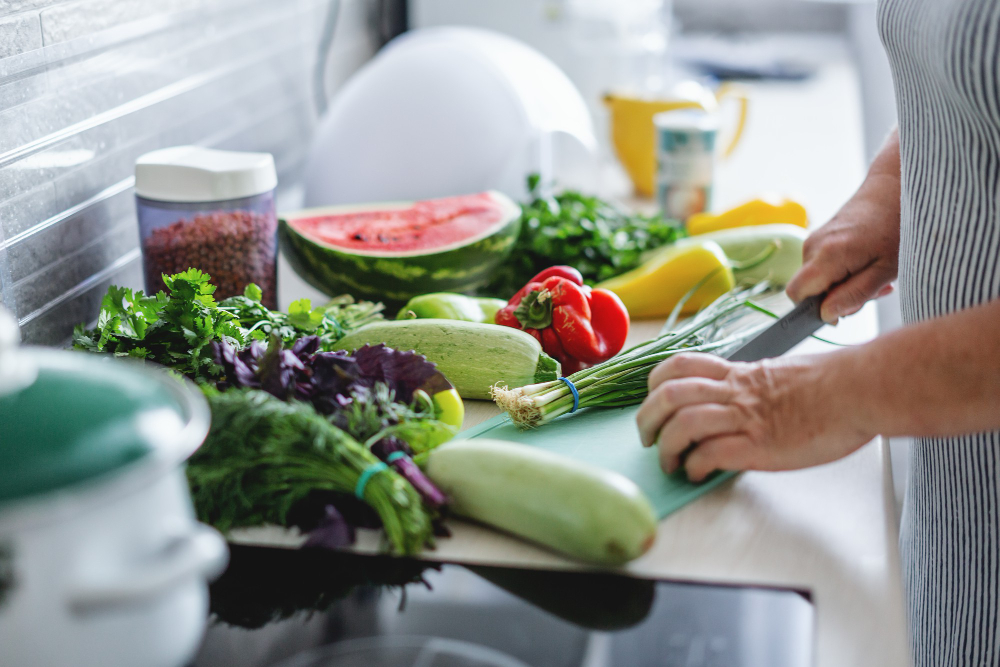
How to Save Money, Reduce Waste, and Always Have Healthy Ingredients Ready
Most people think of the freezer as a place for ice cream, frozen pizza, and forgotten leftovers.
But one of the smartest healthy-eating habits has nothing to do with dieting or meal plans—it’s learning how to use your freezer strategically.
A well-stocked freezer can save hundreds of dollars a year, reduce food waste, and make healthy meals easier on your busiest days.
Why Food Waste Costs More Than You Think
Many healthy foods spoil quickly:
- Fresh berries
- Spinach
- Herbs
- Bananas
- Avocados
- Bread
Even with the best intentions, life gets busy. Before you know it, those ingredients are past their prime and headed for the trash.
The freezer acts like a pause button, helping you preserve food before it goes bad.
Freeze Fruit Before It Overripens
Bananas are the perfect example.
When they start turning brown, most people either rush to make banana bread or throw them away.
Instead:
- Peel them.
- Slice them.
- Freeze them in a container or freezer bag.
Frozen bananas are perfect for:
- Smoothies
- Oatmeal
- Protein shakes
- Homemade frozen desserts
The same trick works for berries, mangoes, peaches, and pineapple.
Create Smoothie Packs
Smoothies are healthy—unless they require 15 minutes of prep every morning.
Make life easier by preparing freezer smoothie packs.
Add portions of:
- Fruit
- Spinach
- Kale
- Chia seeds
- Protein powder
Store each serving in a freezer bag.
When you’re ready, dump the contents into a blender and add liquid.
Breakfast takes less than two minutes.
Freeze Herbs in Olive Oil
Fresh herbs often spoil before you can use them.
A simple solution:
- Chop parsley, cilantro, or basil.
- Place them in an ice cube tray.
- Cover with olive oil.
- Freeze.
The cubes can be dropped directly into soups, sauces, or sauté pans whenever you need fresh flavor.
Keep Frozen Vegetables on Hand
Many people underestimate frozen vegetables.
They’re often:
- Less expensive
- Picked at peak ripeness
- Available year-round
- Nutrient-rich
- Convenient
Healthy freezer staples include:
- Broccoli
- Mixed vegetables
- Spinach
- Peas
- Cauliflower rice
They make it easier to add vegetables to meals without worrying about spoilage.
Freeze Leftovers Immediately
A common mistake is waiting too long.
If you know you won’t eat leftovers within a few days, freeze them right away.
Great freezer-friendly meals include:
- Soups
- Chili
- Curry
- Cooked grains
- Pasta sauces
Future-you will appreciate having healthy meals ready to go.
Label Everything
It sounds obvious, but many freezer mysteries begin with unlabeled containers.
Write:
- The food name
- The date
A simple label helps you rotate ingredients and avoid waste.
The “Use-It-Up” Rule
Once a week, check your freezer before grocery shopping.
Look for ingredients you can build meals around.
You might discover:
- Frozen vegetables for stir-fry
- Fruit for smoothies
- Soup for lunch
- Herbs for pasta night
Using what you already have is one of the easiest ways to lower grocery bills.
A Healthier Kitchen Starts with Less Waste
Healthy eating isn’t just about buying nutritious foods—it’s about actually using them.
The freezer helps bridge the gap between good intentions and real-life schedules.
By freezing fruits, vegetables, herbs, and leftovers before they spoil, you’ll save money, waste less food, and make healthy meals far easier to prepare.
Sometimes the smartest grocery hack isn’t buying better food—it’s keeping the food you already bought from going to waste.